
Can I Add a Battery to My Existing Solar Panels? A Melbourne Guide
How retrofitting a battery works, what to check first, and how the federal discount applies (updated October 2026)
Jump to
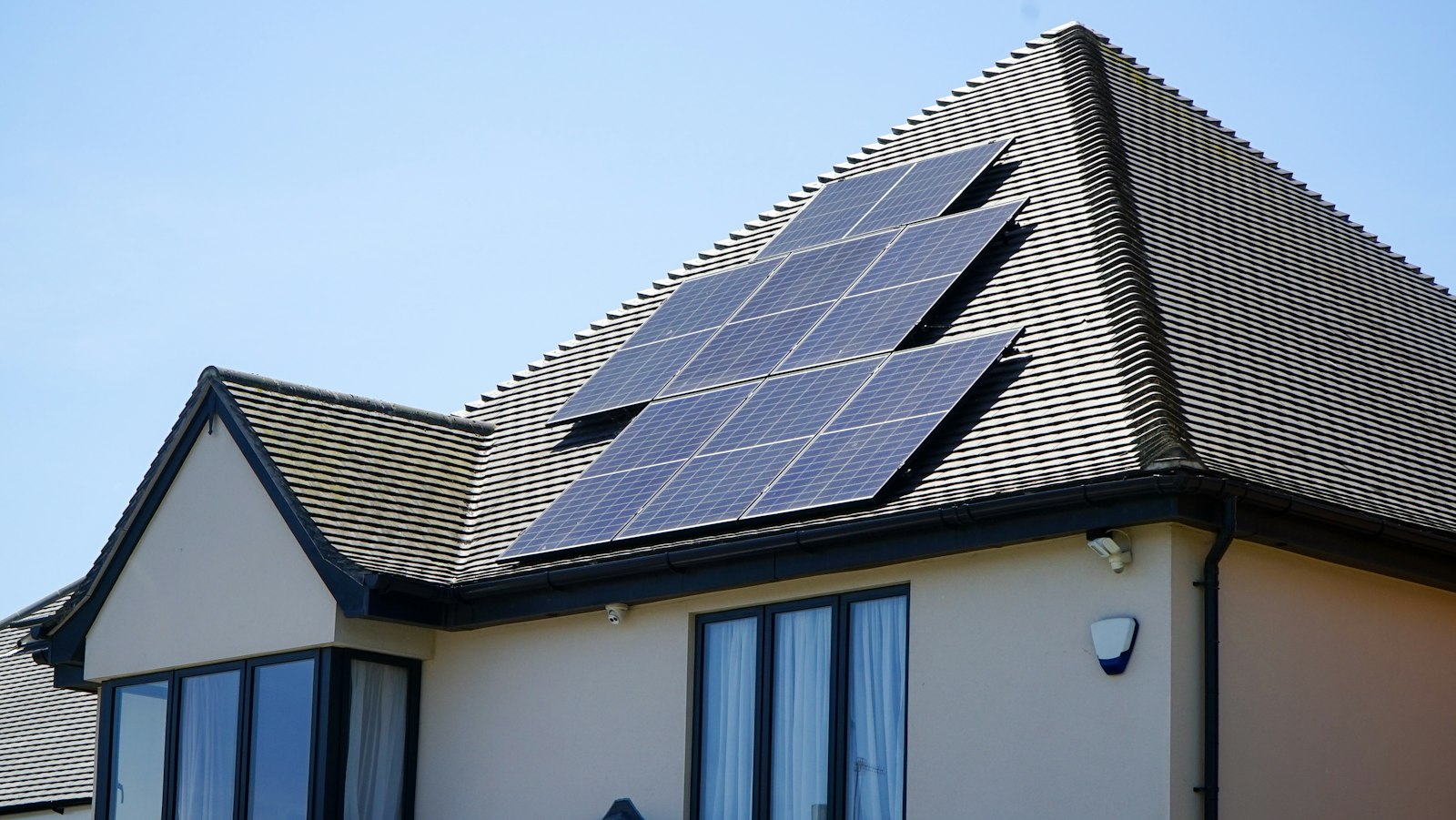
Many Melbourne homes put solar panels on the roof years before home batteries were common. If that's you, a fair question is whether you can add a battery now, or whether you need to start again with a whole new system.
Often you can add a battery to the solar you already have. How it's done, and whether it suits your home, depends on your existing inverter, how much spare solar you produce, your switchboard, and what you want the battery to do. This guide walks through each of those, plus how the federal battery discount applies to existing systems as at October 2026.
The short answer
In many cases, yes. Your solar panels usually stay where they are. What changes is how the battery connects to them.
The Australian Government's energy.gov.au says AC coupling is the usual way to add a battery to existing solar.
Your installer may instead recommend replacing your existing inverter with a hybrid inverter (DC coupling), for example if the inverter is old or no longer suitable.
The Department of Climate Change, Energy, the Environment and Water (DCCEEW) also notes that you may not need to remove and replace an existing solar system to get a battery. It depends on the quality and capability of what's already on your roof.
How a battery connects to existing solar
AC coupling: keep your existing inverter
With AC coupling there are two inverters:
- Your existing solar inverter keeps converting the DC power from your panels into AC power for your home.
- A separate battery inverter converts that AC power back to DC to charge the battery, and back to AC again when the battery supplies your home. Some batteries have this inverter built in.
Because your current solar inverter stays in place, AC coupling is the common way to add a battery to an existing system, including many systems with microinverters.
DC coupling: replace it with a hybrid inverter
With DC coupling, one hybrid inverter manages both the panels and the battery. Solar power can charge the battery directly, and the same inverter supplies your home.
When a battery is added to an existing system this way, the old solar inverter is usually replaced. Your installer should explain why if they recommend it.
| AC coupling | DC coupling (hybrid) | |
|---|---|---|
| Existing solar inverter | Usually kept | Usually replaced |
| Number of inverters | Two (solar + battery) | One hybrid inverter |
| Common when | Adding a battery to an existing system | Installing solar and battery together, or replacing an old inverter |
| Things to check | Space for the extra equipment, and compatibility | Compatibility of the new inverter with your existing panels |
What should be checked before adding a battery
A good installer will look at your whole system, not just quote a battery. Expect them to check:
1. Your existing inverter. Its age, condition and model, and whether the battery will connect to it. Your existing solar system doesn't need to be on the Clean Energy Council (CEC) approved list, but it must meet Victorian electrical safety rules. For the federal discount, the inverter the battery connects to must be capable of joining a virtual power plant (VPP). With AC coupling, your existing solar inverter doesn't need to be VPP-capable. If the battery will connect to an existing hybrid inverter, that inverter must be on the CEC approved list now or have been listed when your system was commissioned, and must not have been delisted for safety reasons. Otherwise it needs to be replaced.
2. How much spare solar you produce. A battery only helps if you generate more solar than you use during the day. energy.gov.au notes it generally doesn't make sense to add a battery to a small solar system. In some homes, adding panels is worth considering too. Our guide to what size solar battery you need explains how sizing works.
3. Your switchboard and wiring. The whole system must meet Victorian electrical safety requirements, which can mean switchboard work.
4. Where the battery can go. There are rules about the wall a battery is mounted on and minimum distances from living areas, doors and windows.
5. Backup power. A battery does not automatically keep your power on in a blackout. It has to be designed and configured for backup, and it may cover the whole home or only selected circuits. See whether solar batteries work in a blackout.
6. Grid connection approval. Victoria's electricity distributors (CitiPower, Powercor, Jemena, AusNet and United Energy) control connections to their networks. Your installer should arrange approval before connecting a battery, and your meter may need to be reconfigured.
7. Warranties. Ask how adding a battery affects the warranties on your existing system, and which warranties are covered by the installer versus the manufacturer.

A home battery and inverter installation by Amos Green Energy.
Can you get the federal battery discount with existing solar?
Yes, if the installation meets the program requirements. As at October 2026, the Australian Government's Cheaper Home Batteries Program is designed to give a discount of around 30% on the upfront cost of an eligible battery installed with new or existing solar. For capacity above 14 kWh the discount per kWh is smaller, and the exact amount depends on the battery's size, its installation date and certificate prices.
To be eligible, according to DCCEEW and the Clean Energy Regulator (CER):
- the battery and inverter must be on the CEC approved product lists
- the installation must be done by, or supervised on site by, an installer accredited by Solar Accreditation Australia (SAA) with a battery endorsement
- the battery must be between 5 kWh and 100 kWh nominal capacity
- on-grid batteries must be capable of joining a virtual power plant (VPP), although you don't have to join one
- a battery must be installed with solar. A battery that only stores power from the grid is not eligible.
The discount is delivered through small-scale technology certificates (STCs). The number of certificates depends on the battery's usable capacity and the date it is installed, and certificates can only be claimed for the first 50 kWh of usable capacity. The discount is scheduled to reduce every six months to the end of 2030. You usually don't apply yourself: the installer or retailer generally shows it as a reduction on your quote, or as a rebate after installation.
In Victoria, Solar Victoria is no longer taking applications for its interest-free solar battery loans. Program details change, so check the current rules on the DCCEEW and Solar Victoria websites before you sign a contract.
Is adding a battery worth it for your home?
It depends on how much solar you export, how much power you use in the evening, your electricity plan and the price of the battery after any discount. energy.gov.au cautions that for many homes the cost of a battery may outweigh the financial benefits, and that savings may not cover the cost within the battery's warranted lifetime.
Under the program, your retailer must give you written information about the expected payback period, energy benefits or cost savings. Ask for all three, and ask how the figures were calculated and which assumptions were used. The free SunSPOT calculator can help you compare. For more on the numbers, see is a solar battery still worth it in Melbourne?
Questions to ask before you sign
- Will my existing inverter be kept or replaced, and why?
- Are the battery and inverter on the CEC approved lists?
- Is the installer SAA-accredited with a battery endorsement, and will they be on site?
- Will the system provide backup power, and to which circuits?
- How was the payback estimate calculated, and what assumptions does it use?
- How much is the federal discount on this quote, and when will I receive it?
- Who will arrange approval with my electricity distributor?
- Which warranties cover which parts, and who do I contact if something goes wrong?
DCCEEW also recommends getting quotes from more than one retailer or installer.
Frequently asked questions
Do I need to replace my solar panels to add a battery?
Usually not. DCCEEW notes it may not be necessary to remove and replace an existing solar system to get a battery, depending on its quality and capability. Your inverter is more likely to need attention than your panels.
Can I add a battery if I have microinverters?
Often, yes. Microinverter systems typically use AC coupling, where a battery with its own inverter is added alongside the existing system. Compatibility depends on the products, so ask your installer to confirm.
Will my battery work in a blackout?
Only if the system is designed and set up for backup power. Many solar systems shut down during an outage for safety reasons. Ask your installer what backup your system will provide.
Final thoughts
Adding a battery to existing solar is often possible without replacing your panels. What matters most is your inverter, how much spare solar you produce, your switchboard, and whether the installation meets the discount and safety requirements. If you'd like your existing system assessed, the Amos Green Energy team can inspect your setup and explain the options in writing.
SourcesShowHide
- energy.gov.au, Batteries
- DCCEEW, Cheaper Home Batteries Program (last updated 9 June 2026)
- DCCEEW, Eligibility information for the Cheaper Home Batteries Program (last updated 1 May 2026)
- Clean Energy Regulator, Solar batteries (last updated 29 October 2026)
- Solar Victoria, Solar battery loans (updated 16 April 2026)
- Solar Victoria, Distributors: what are they and why are they important?
This article is general information only, current as at October 2026. It is not financial advice, and program rules can change.